Running an Italian restaurant in Seattle is both an art and a financial balancing act. Fresh pasta. Imported cheeses. Olive oil. Wine programs. Seasonal ingredients. Skilled kitchen labor. Competitive wages. Delivery platforms. High rent.
Margins are tight — and small shifts in cost structure can erase profitability quickly. In Washington, where B&O tax applies to gross receipts and sales tax compliance is mandatory, bookkeeping discipline becomes even more critical.
For Seattle Italian restaurant owners, bookkeeping is not just compliance. It is margin protection. This guide explains how structured bookkeeping systems help Italian restaurants manage food costs, control labor percentages, and maintain stable profitability in a high-cost market.
Why Italian Restaurants Face Unique Cost Pressures in Seattle
Italian restaurants often operate with premium imported ingredients, high dairy and protein exposure, fresh pasta production, wine inventory management, scratch kitchens with skilled labor, and multi-course menu structures.
These factors increase sensitivity to ingredient price fluctuation, vendor variability, labor cost shifts, waste and spoilage, and inventory shrinkage. In Seattle’s competitive dining market, pricing flexibility is limited — margin stability requires financial precision.
Food Cost Control: The Core of Italian Restaurant Profitability
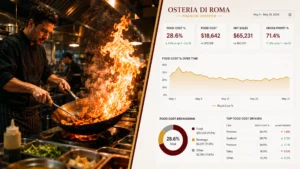
Food cost percentage is one of the most important financial metrics for Italian restaurants. Even a 2–3% increase in cost of goods sold can significantly impact profit.
Vendor Invoice Reconciliation
Italian restaurants often source from specialty import distributors, local produce vendors, butchers and seafood suppliers, and wine distributors. Monthly reconciliation ensures every invoice matches the payment made, duplicate charges are caught, pricing increases are identified, and subscription services are monitored.
Vendor errors and price creep compound quietly. Reconciliation exposes them early — before they erode an entire quarter’s margin.
Ingredient Volatility
Key Italian ingredients such as olive oil, parmesan, prosciutto, fresh seafood, and specialty flour can fluctuate in price. Structured bookkeeping allows owners to compare month-over-month food cost percentages, identify sudden spikes, adjust menu pricing proactively, and renegotiate vendor terms.
Without accurate books, pricing decisions become guesswork.
Waste and Spoilage Tracking
Fresh pasta and dairy-heavy menus create spoilage risk. Accurate expense categorization and inventory reconciliation help identify excess ordering, shrinkage patterns, and menu inefficiencies. Financial data reveals operational inefficiencies that are easy to miss from the kitchen floor.
Labor Management in a High-Wage City
Seattle’s wage environment increases labor sensitivity. Italian restaurants often employ experienced chefs, pasta specialists, wine staff, and front-of-house service teams. Labor percentage must be monitored carefully.
Tracking Labor as a Percentage of Revenue
Monthly reconciliation ensures payroll entries are accurate, allowing calculation of labor cost percentage, overtime exposure, and seasonal staffing trends. If labor costs drift without being identified, profitability erodes quietly month over month.
Aligning Staffing With Seasonality
Seattle restaurants experience summer tourism spikes, winter slowdowns, and event-driven variability. With accurate monthly financials, owners can adjust staffing levels, manage scheduling proactively, and protect margins during slower months. Forecasting depends entirely on accurate books.
Managing Wine Inventory & Beverage Margins
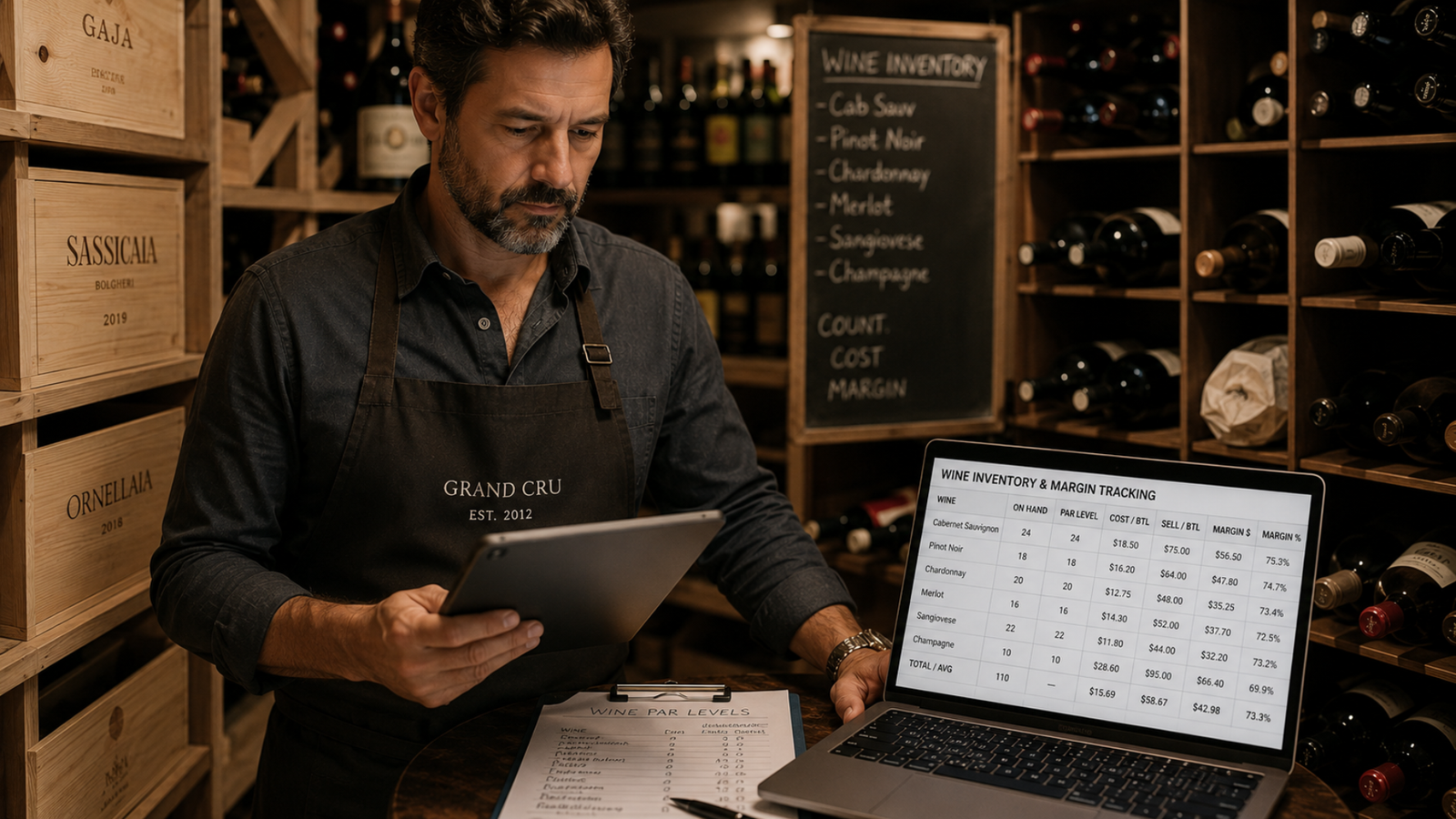
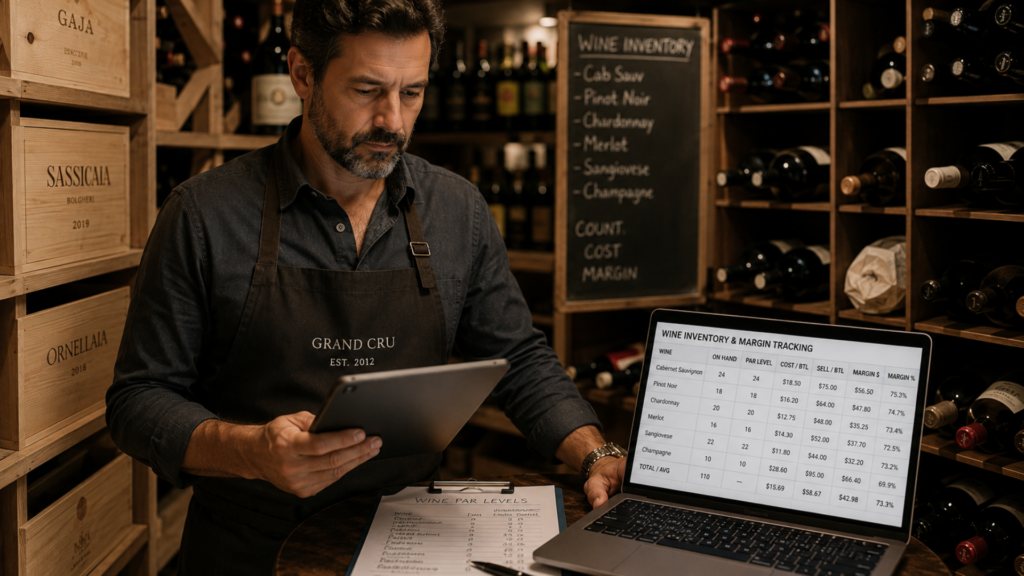
Italian restaurants often rely on wine programs for margin support. Wine inventory requires accurate purchase tracking, markup monitoring, inventory reconciliation, and shrinkage detection.
Without structured bookkeeping, beverage margins may be overstated, cost percentage calculations may be inaccurate, and theft or shrinkage may go unnoticed. Monthly reconciliation protects beverage profitability — often one of the highest-margin parts of the business.
Delivery Platforms & Third-Party Fees
Seattle Italian restaurants increasingly use Uber Eats, DoorDash, and Grubhub. These platforms deduct commissions, apply marketing fees, withhold payment, and remit net deposits.
If bookkeeping only records net deposits, gross revenue is understated, platform fees are unclear, and sales tax tracking may be misaligned. Monthly reconciliation must match POS sales, platform statements, and bank deposits. Delivery profitability requires this level of detailed tracking.
Washington B&O Tax: Gross Receipts Matter
Unlike income tax, Washington B&O applies to gross revenue. For Italian restaurants, this means revenue must be tracked accurately, deposits must align with POS reporting, and adjustments must be documented.
Because B&O applies to gross receipts, even thin-margin months create tax liability. Monthly accrual tracking prevents surprise payments that can otherwise strain cash flow during a slow season.
Sales Tax Compliance for Restaurants
Restaurants collect sales tax on most transactions. Without structured bookkeeping, collected tax may be blended with operating funds, liability balances may be inaccurate, and filing amounts may not match POS records.
Collected tax is not profit. Reconciliation ensures tax is separated properly and remitted accurately — protecting cash flow and compliance simultaneously.
Margin Stability Through Financial Discipline
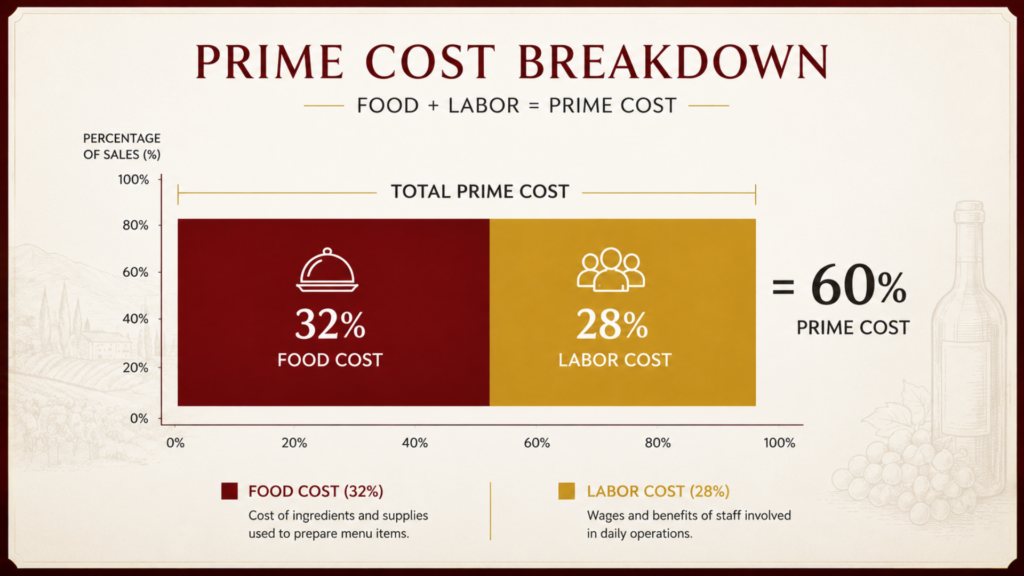
Margin stability requires visibility into food cost percentage, labor percentage, prime cost (food + labor), operating expense ratio, delivery platform impact, and seasonal revenue trends.
Accurate monthly books allow owners to identify margin compression early, adjust pricing strategically, control vendor relationships, and optimize menu offerings. Data supports control in a way instinct alone cannot.
Common Financial Mistakes Italian Restaurant Owners Make
- Recording only net delivery deposits
- Ignoring monthly reconciliation
- Lumping vendor expenses into generic categories
- Not tracking B&O accruals
- Relying on bank balance instead of reports
- Waiting until tax season to review margins
These habits create instability — and most are easy to correct once a structured system is in place.
What Proper Bookkeeping Looks Like for Seattle Italian Restaurants
A structured system includes monthly bank and credit card reconciliation, POS-to-deposit matching, vendor invoice verification, payroll accuracy confirmation, wine inventory expense tracking, B&O accrual updates, sales tax liability review, and prime cost monitoring. This creates consistent, reliable reporting month after month.
The Link Between Bookkeeping and Menu Strategy
Accurate financial data informs portion adjustments, supplier negotiations, seasonal menu shifts, price updates, and specials profitability. Without clean books, menu strategy becomes emotional rather than analytical — and that gap shows up directly in the bottom line.
Why This Matters More in Seattle
Seattle’s cost environment includes elevated wages, high rent, competitive ingredient sourcing, a tight labor market, and strict tax compliance. In this environment, small inefficiencies multiply quickly. Financial discipline creates resilience that protects the restaurant through every season.
When It’s Time to Upgrade Your Bookkeeping System
- Food cost percentage fluctuates unpredictably
- Labor percentage exceeds targets
- Sales tax feels stressful
- B&O liabilities surprise you
- Delivery fees seem unclear
- CPA cleanup costs are rising
Financial Infrastructure Protects the Craft
Italian cuisine is rooted in precision and discipline. Financial systems should mirror that philosophy. Monthly reconciliation protects ingredient investment, labor excellence, wine programs, tax compliance, and long-term sustainability. Bookkeeping is not separate from operations — it supports them.
Margin Stability Is Built on Structure
Seattle Italian restaurants operate with passion, skill, and creativity. But creativity alone does not protect margins. Structured bookkeeping ensures food costs are monitored, labor is aligned with revenue, delivery impact is visible, taxes are predictable, and cash flow is stable.
In a high-cost market, discipline creates durability.
Ready to Strengthen Your Italian Restaurant’s Financial Control?
On Par Bookkeeping LLC helps Seattle Italian restaurant owners build the financial systems that protect food cost margins, labor efficiency, and long-term profitability.
A structured review can identify vendor overcharges, food cost drift, labor inefficiencies, B&O exposure, sales tax inconsistencies, and margin blind spots.
Schedule Your Free Restaurant Financial Review. Seattle Italian restaurant owners perform best when financial systems are as precise as their recipes.