Chinese restaurants are a cornerstone of Seattle’s dining scene. From family-owned neighborhood establishments to high-volume takeout kitchens and modern fusion concepts, Chinese restaurants often operate on speed, efficiency, and consistency.
But behind that operational intensity is a financial reality: margins are tight, delivery platforms take significant percentages, labor costs are high, Washington B&O tax applies to gross receipts, and sales tax compliance is mandatory.
In this environment, financial management is not optional — it is survival infrastructure. For Seattle Chinese restaurant owners, structured bookkeeping protects margins, stabilizes payroll, and ensures tax clarity in a complex regulatory environment.
Why Chinese Restaurants in Seattle Face Unique Financial Pressures
Chinese restaurants often operate with high takeout volume, significant delivery platform dependence, extended operating hours, lean kitchen staffing, high ingredient turnover, and combination dine-in and carryout revenue streams.
These factors create complexity in revenue tracking, delivery fee reconciliation, payroll accuracy, tax classification, and cash flow management. Without structured bookkeeping, small inefficiencies compound quickly.
Delivery Apps: The Largest Margin Variable
For many Seattle Chinese restaurants, delivery platforms represent a substantial percentage of revenue. Common platforms include Uber Eats, DoorDash, Grubhub, and Postmates.
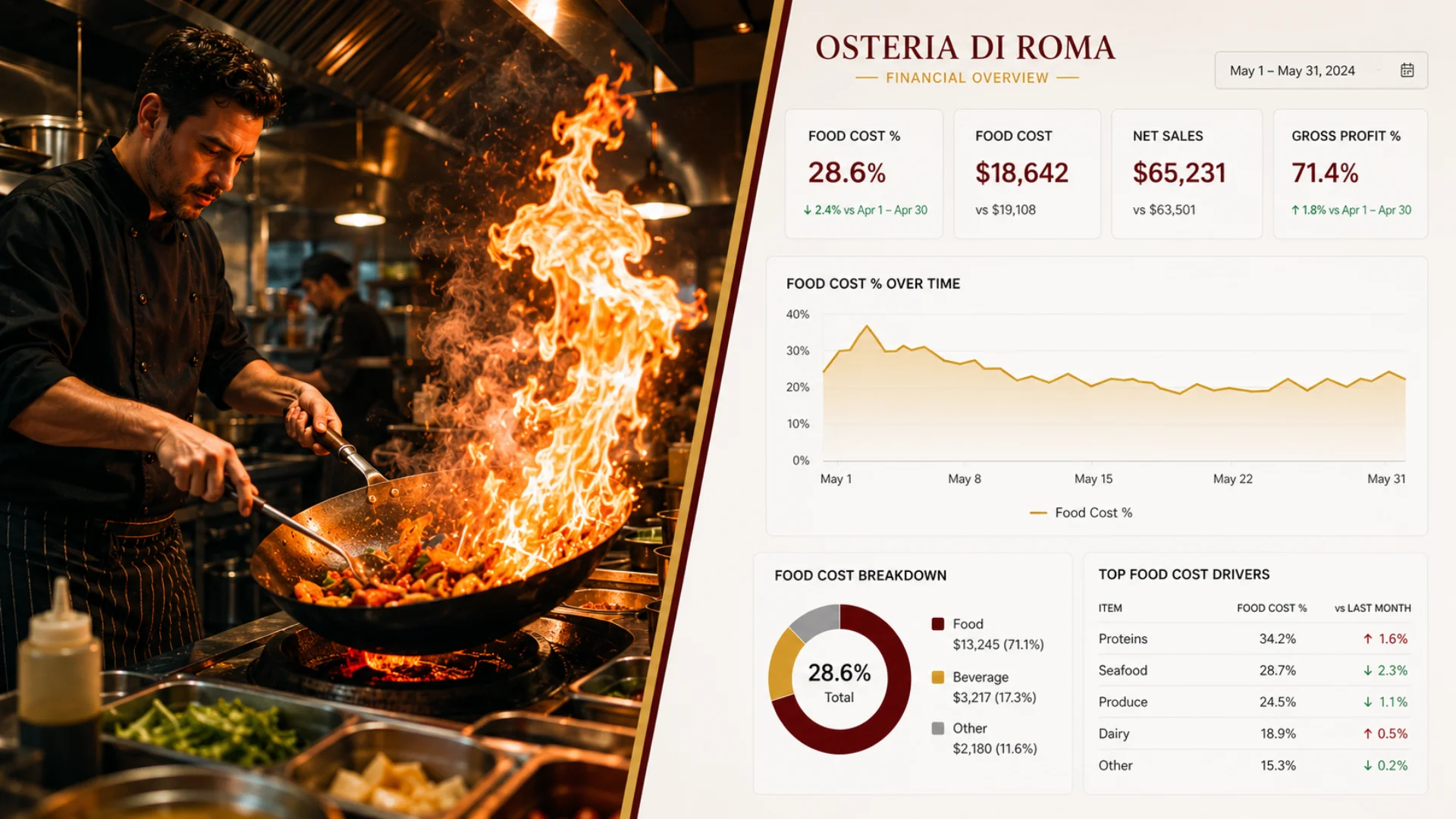
These platforms deduct commissions — often 15 to 30 percent — apply service or marketing fees, withhold payment until remittance, remit net deposits, and manage sales tax differently depending on structure.
If bookkeeping records only the net deposit, gross revenue appears understated, platform fees are not visible, true margin impact is unclear, and sales tax reporting may misalign.
Proper Delivery Revenue Reconciliation
Monthly reconciliation should include matching POS sales to platform statements, recording gross sales before commission deductions, separating platform fees into expense categories, confirming deposits match statements, and reviewing tax treatment accuracy.
Without this level of detail, delivery revenue may look profitable when margins are actually compressed. Financial clarity reveals the true economics behind every order.
Managing Payroll in a High-Wage Market
Seattle’s wage environment creates payroll sensitivity. Chinese restaurants often employ line cooks, prep staff, cashiers, delivery drivers, family members, and part-time staff. Labor percentage must be monitored carefully.
Accurate Payroll Recording
Monthly reconciliation ensures payroll withdrawals match payroll reports, payroll tax liabilities are recorded properly, benefits and insurance are tracked accurately, and overtime exposure is visible. If payroll is entered inconsistently, labor percentage becomes unreliable — and inaccurate labor tracking leads to poor staffing decisions.
Labor Percentage as a Margin Indicator
Labor cost percentage should be reviewed monthly. For example, if revenue drops during winter but staffing levels remain constant, labor percentage increases. Without monthly financial review, this drift may go unnoticed.
Accurate books allow scheduling adjustments, controlled hiring, overtime monitoring, and seasonal staffing alignment. Labor clarity protects profitability directly.
Washington B&O Tax: Gross Revenue Matters
Washington’s B&O tax applies to gross receipts. For Chinese restaurants, this includes dine-in revenue, takeout revenue, and delivery platform revenue.
Because B&O applies to gross receipts, even low-margin months create tax liability. If revenue is misclassified or understated, filings may not align with deposits. Monthly accrual tracking ensures revenue totals match filings, tax liabilities are predictable, and cash flow is prepared for payments. Predictability reduces stress significantly.
Sales Tax Clarity for Restaurants
Chinese restaurants collect sales tax on most food sales. However, delivery platforms may collect tax on behalf of the restaurant, remit tax directly to the state, or include tax in settlement statements.
If bookkeeping does not reconcile these differences, sales tax liability may be overstated or understated, collected tax may blend with operating funds, and filing discrepancies may occur. Monthly reconciliation ensures sales tax collected matches POS and platform data and liability accounts are accurate.
Collected tax is not revenue. Clear separation protects cash flow.
Food Cost Control in High-Volume Kitchens
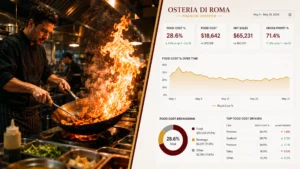
Chinese restaurants often operate with bulk ingredient purchases, high turnover, protein-heavy menus, rice and noodle staples, fresh vegetables, and sauce preparation. Even small percentage increases in ingredient cost impact margins significantly.
Vendor Invoice Review
Monthly reconciliation ensures vendor invoices match payments, duplicate charges are caught, price increases are identified, and inventory patterns are visible. High-volume operations amplify small pricing shifts — financial discipline identifies them early.
Cost of Goods Sold Monitoring
Accurate bookkeeping allows owners to calculate food cost percentage, month-over-month cost trends, and the relationship between purchases and revenue. If purchases increase but revenue does not, waste or inefficiency may be present. Data reveals imbalance before it becomes a habit.
Preventing Cash Flow Illusions
A common issue in restaurants is relying on bank balance as an indicator of performance. But bank balance does not reflect sales tax owed, B&O accruals, pending payroll taxes, vendor obligations, or delivery platform settlements.
Monthly reconciliation aligns actual cash, recorded liabilities, and true operating funds. Clarity prevents overspending — even during strong revenue months.
Identifying Shrinkage and Operational Leaks
Chinese restaurants handle high cash volume, high ingredient volume, and fast-paced kitchen operations. Monthly reconciliation can reveal POS discrepancies, unusual vendor charges, unexpected expense spikes, and payment processor inconsistencies. Early detection protects margins before small leaks become significant losses.
Seasonal Revenue Management
Seattle restaurants experience summer tourism spikes, winter slowdowns, weather-driven variability, and event-based demand. Chinese restaurants often see increased takeout during cold months and higher dine-in during summer.
Monthly revenue analysis allows owners to adjust staffing, manage vendor orders, plan cash reserves, and adjust marketing spend. Seasonality requires planning, not reaction.
Common Financial Mistakes Chinese Restaurant Owners Make
- Recording only net delivery deposits
- Ignoring B&O accruals
- Mixing sales tax with operating funds
- Not reconciling payment processor deposits
- Reviewing financials only quarterly
- Relying on CPA cleanup annually
These habits create instability that compounds over time.
What Structured Financial Management Looks Like
A disciplined bookkeeping system includes monthly bank and credit card reconciliation, POS-to-deposit matching, delivery platform statement review, vendor invoice verification, payroll confirmation, B&O accrual updates, sales tax liability review, and food and labor percentage analysis. This creates consistent, reliable financial reporting month after month.
Why This Matters More in Seattle
Seattle’s cost structure includes high wages, elevated rent, competitive food sourcing, and strict tax compliance. In this environment, small financial inefficiencies reduce profitability quickly. Precision protects survival.
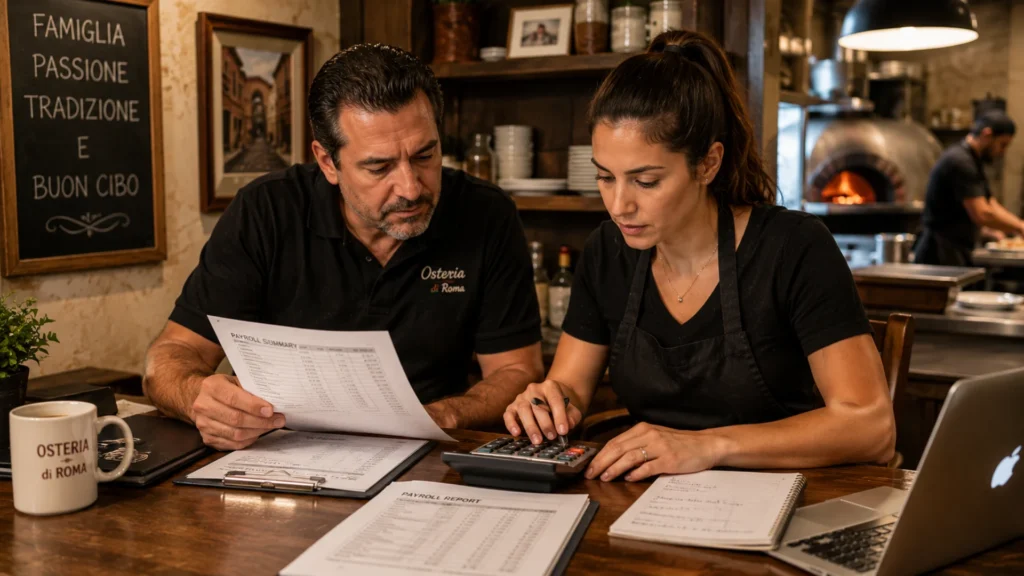
When It’s Time to Strengthen Your Financial Infrastructure
- Delivery revenue feels unclear
- Labor percentage fluctuates unexpectedly
- Sales tax payments create stress
- B&O liability surprises you
- CPA cleanup costs are increasing
- Cash flow feels tighter than revenue suggests
These are structural indicators that the current bookkeeping setup needs an upgrade.
High Volume Requires High Precision
Chinese restaurants often operate at impressive speed. Financial systems must match that precision. Monthly reconciliation protects delivery profitability, labor efficiency, tax compliance, cash flow stability, and long-term sustainability.
In a competitive Seattle market, structure protects margin.
Ready to Strengthen Your Chinese Restaurant’s Financial Clarity?
On Par Bookkeeping LLC helps Seattle Chinese restaurant owners build the structured financial systems that match the speed and precision of their kitchens.
A structured review can identify delivery fee leakage, payroll misalignment, vendor overcharges, B&O exposure, sales tax inconsistencies, and margin blind spots.
Schedule Your Free Restaurant Financial Review. Seattle Chinese restaurant owners perform best when financial systems are as disciplined as their kitchens.