
Many Seattle business owners still think of bookkeeping as administrative work—transaction entry, categorization, reconciliation, and reports. Necessary, but not strategic.
That mindset leaves significant opportunity on the table.
In reality, strategic bookkeeping is one of the most powerful growth tools available to Seattle companies. When structured properly, it supports hiring decisions, tax planning, expansion timing, financing approval, margin optimization, and long-term stability.
Bookkeeping is not data entry. It is financial infrastructure.
This guide explains how strategic bookkeeping transforms from a back-office task into a measurable growth advantage—especially in Seattle’s high-cost, highly regulated business environment.
Why Seattle Businesses Can’t Afford Passive Bookkeeping
Seattle companies operate under unique financial pressures:
- Washington State Business & Occupation (B&O) tax on gross receipts
- Sales tax compliance requirements
- High payroll costs
- Competitive vendor markets
- Rapid startup scaling cycles
- Industry-specific regulatory oversight
In this environment, financial mistakes compound quickly.
A reactive bookkeeping system may keep records organized—but it does not actively support growth.
Strategic bookkeeping changes that dynamic.
Basic vs Strategic Bookkeeping: What’s the Real Difference?
Basic Bookkeeping (The Compliance Minimum)
- Records transactions
- Reconciles accounts
- Generates reports
- Prepares data for tax filing
This approach focuses on accuracy and compliance. Accuracy is essential—but it’s only the starting point.
Strategic Bookkeeping (The Growth Engine)
Strategic bookkeeping includes everything above, plus:
- Real-time tax tracking
- Margin analysis
- Cash flow forecasting
- Revenue segmentation
- Expense pattern evaluation
- Growth planning support
- Industry benchmarking
- CPA coordination
It connects financial data to business decisions—and that’s where real growth begins.
7 Ways Strategic Bookkeeping Drives Business Growth
1. Gain Clear Profit Margins (Not Just Revenue)
Revenue alone doesn’t measure success. Strategic bookkeeping helps you track:
- Gross margin by product/service
- Cost of goods sold trends
- Labor percentage ratios
- Marketing ROI
- Vendor cost increases
When margins are clear, pricing becomes intentional—and profitability is protected.
2. Stay Ahead with Real-Time B&O Tax Tracking
Washington’s B&O tax applies to gross receipts, not profit. Without tracking:
- Revenue growth creates tax surprises
- Hiring decisions outpace planning
- Cash flow gets distorted
Strategic bookkeeping tracks taxes monthly, so taxes become predictable—not painful.
3. Improve Cash Flow with Smart Forecasting
Growth often increases expenses before profits. Strategic systems provide:
- Rolling 90-day forecasts
- Payroll timing alignment
- Vendor obligation tracking
- Tax payment planning
- Expansion scenario modeling
Cash flow clarity reduces risk during scaling.
4. Make Smarter Hiring Decisions
Payroll is often the largest expense. Strategic bookkeeping answers:
- Can we afford another hire?
- What revenue supports this role?
- What margin buffer is required?
- How will payroll impact cash flow?
Hiring becomes calculated—not reactive.
5. Secure Financing & Impress Investors
Lenders and investors expect:
- Accurate Profit & Loss statements
- Clean Balance Sheets
- Organized documentation
- Predictable cash flow
Strategic bookkeeping ensures you’re always ready—no last-minute scrambling.
6. Optimize Revenue with Segmentation
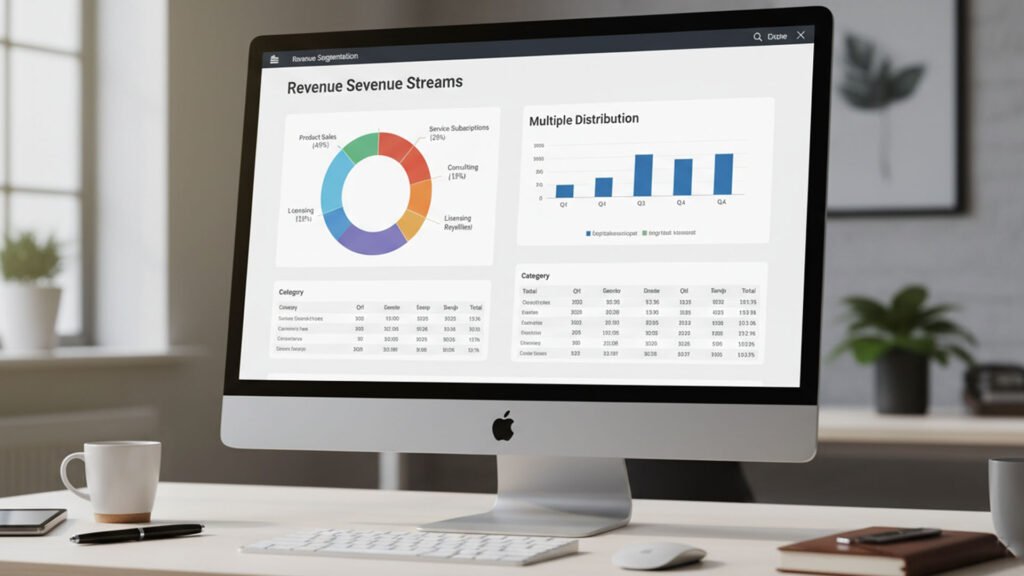
Many Seattle businesses have:
- Multiple service lines
- Recurring revenue streams
- Project-based income
- Product add-ons
Strategic bookkeeping shows:
- Which services are most profitable
- Which ones reduce margins
- Where marketing performs best
Growth should follow margin—not just volume.
7. Control Costs with Expense Intelligence
Expenses often increase quietly. Strategic systems identify:
- Vendor creep
- Unused software subscriptions
- Inefficient marketing spend
- Labor cost shifts
Small adjustments here can protect long-term profitability.
Why Automation Alone Isn’t Enough
Modern accounting software offers automation and AI tools. That improves efficiency—but it doesn’t replace strategy.
Automation cannot:
- Interpret financial trends
- Evaluate margin shifts
- Analyze tax exposure
- Align finances with business goals
Technology provides speed. Strategic bookkeeping provides insight.
The Hidden Growth Killer: Cleanup Mode
Many Seattle businesses operate in “cleanup mode”:
- Quarterly reconciliations
- Taxes calculated at filing time
- CPA corrections annually
- Inconsistent report reviews
This approach barely maintains compliance—and blocks growth.
Strategic bookkeeping eliminates cleanup mode entirely.
Monthly Financial Reviews: The Missing Growth Habit
Strategic bookkeeping includes consistent monthly reviews where:
- Trends are analyzed
- Financial ratios are tracked
- Forecasts are updated
- Tax liabilities are reviewed
- Business decisions are guided
This is where data turns into action.
Turn Compliance Into a Growth Advantage
Accurate tracking of:
- B&O tax
- Sales tax
- Payroll liabilities
Leads to:
- Faster expansion
- Better lender relationships
- Fewer penalties
- Lower CPA costs
Compliance isn’t separate from growth—it enables it.
How Strategic Bookkeeping Increases Business Valuation
Your business value depends on:
- Consistent revenue reporting
- Predictable margins
- Clean financial records
- Stable cash flow
With strategic bookkeeping:
- EBITDA becomes clearer
- Financial reports build trust
- Investors see reliability
Better books = higher business value.
Common Growth Mistakes (Caused by Poor Bookkeeping)
Seattle businesses often:
- Hire too early
- Overspend on marketing
- Ignore tax impact
- Underestimate payroll costs
- Expand without forecasting
These aren’t revenue problems—they’re visibility problems.
Signs Your Bookkeeping Isn’t Strategic Yet
- You don’t review reports monthly
- Taxes are calculated late
- You rely on bank balances
- Your CPA frequently corrects records
- Revenue streams aren’t segmented
- There’s no cash flow forecasting
If this sounds familiar, your growth is being limited.
How Bookkeeping Should Evolve as You Scale
Early Stage
- Clean financial structure
- Tax awareness
- Basic forecasting
Growth Stage
- Margin analysis
- Hiring decisions
- Expense optimization
Mature Stage
- Valuation readiness
- Expansion planning
- Investor reporting
Your financial systems should grow with your business.
Why Strategic Bookkeeping Matters Even More in Seattle

Seattle’s business environment includes:
- High cost of living
- Competitive hiring
- Fast-moving startups
- Complex regulations
In this landscape:
- Growth without structure increases risk
- Structure without strategy limits potential
Strategic bookkeeping gives you both.
Bookkeeping in 2026: From Records to Revenue Strategy
Modern bookkeeping is no longer just about compliance. It is:
- Decision support
- Tax alignment
- Cash flow management
- Risk reduction
- Growth acceleration
Companies that treat bookkeeping as infrastructure outperform those that treat it as admin work.
Final Thoughts: Growth Starts with Financial Clarity
Successful Seattle companies share one trait—they operate with financial visibility.
Strategic bookkeeping answers:
- When to hire
- When to expand
- When to invest
- When to cut costs
- When to adjust pricing
Data entry records the past. Strategic bookkeeping builds the future.
Ready to Turn Your Bookkeeping Into a Growth Engine?
If you’re ready to move beyond basic bookkeeping and start using your numbers to drive smarter decisions, it’s time for a structured financial review.
At OnPar Bookkeeping, we help Seattle businesses:
- Identify hidden margin gaps
- Improve cash flow visibility
- Stay ahead of tax obligations
- Build scalable financial systems
Book your consultation today and turn your bookkeeping into a true growth tool.